Wellness Plan
culinary herbs and spices
-
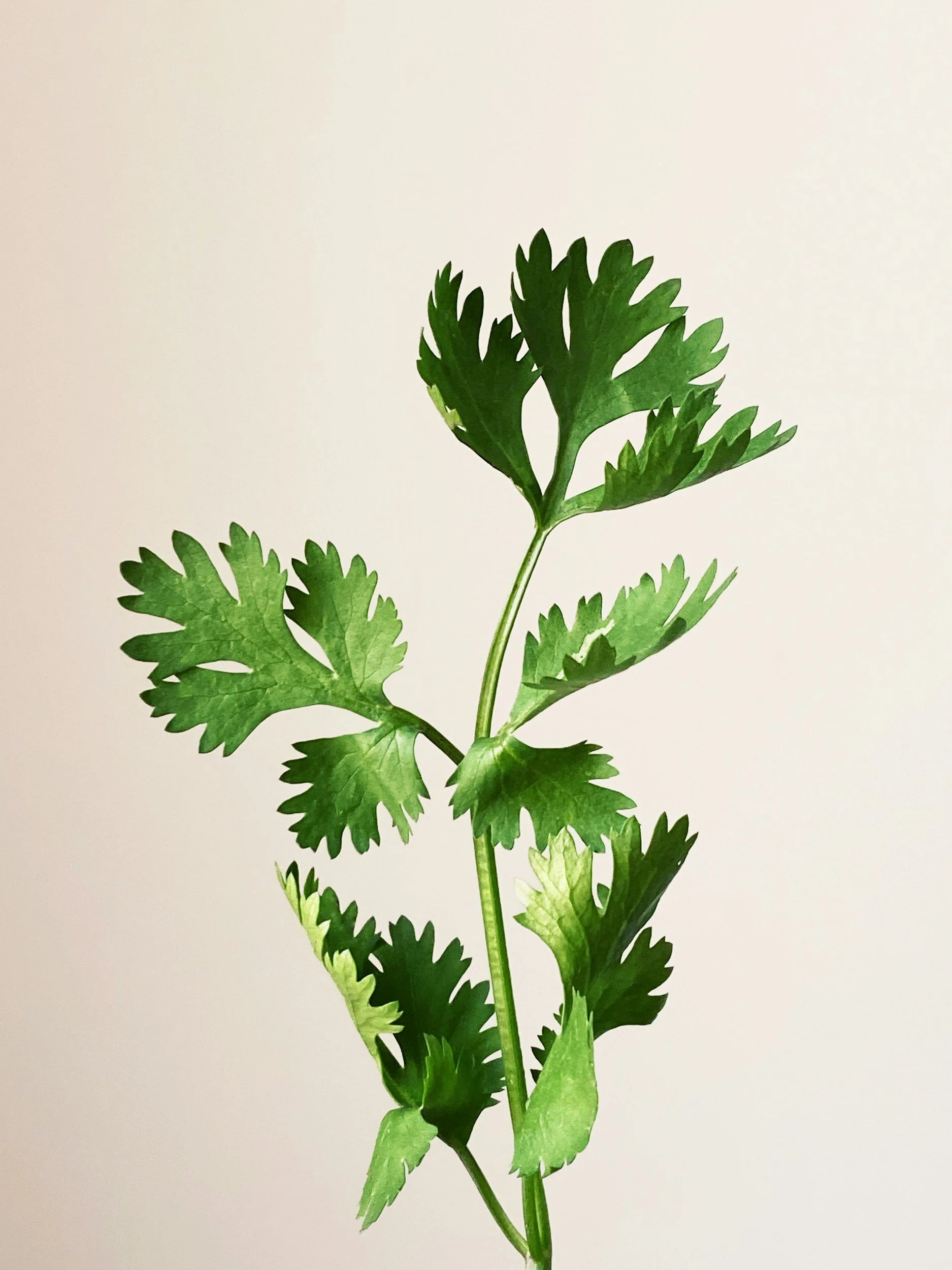
Parsley
Parsley is one of the most underrated kitchen herbs - highly nutritious and mineral-rich. Traditionally used to:
support digestion
act as a gentle diuretic
support menstrual flow and ease menstrual discomfort
help flush waste and support joints (including gout and arthritis)
relieve flatulence and support urinary health (including cystitis)
A true food-as-medicine herb.
-
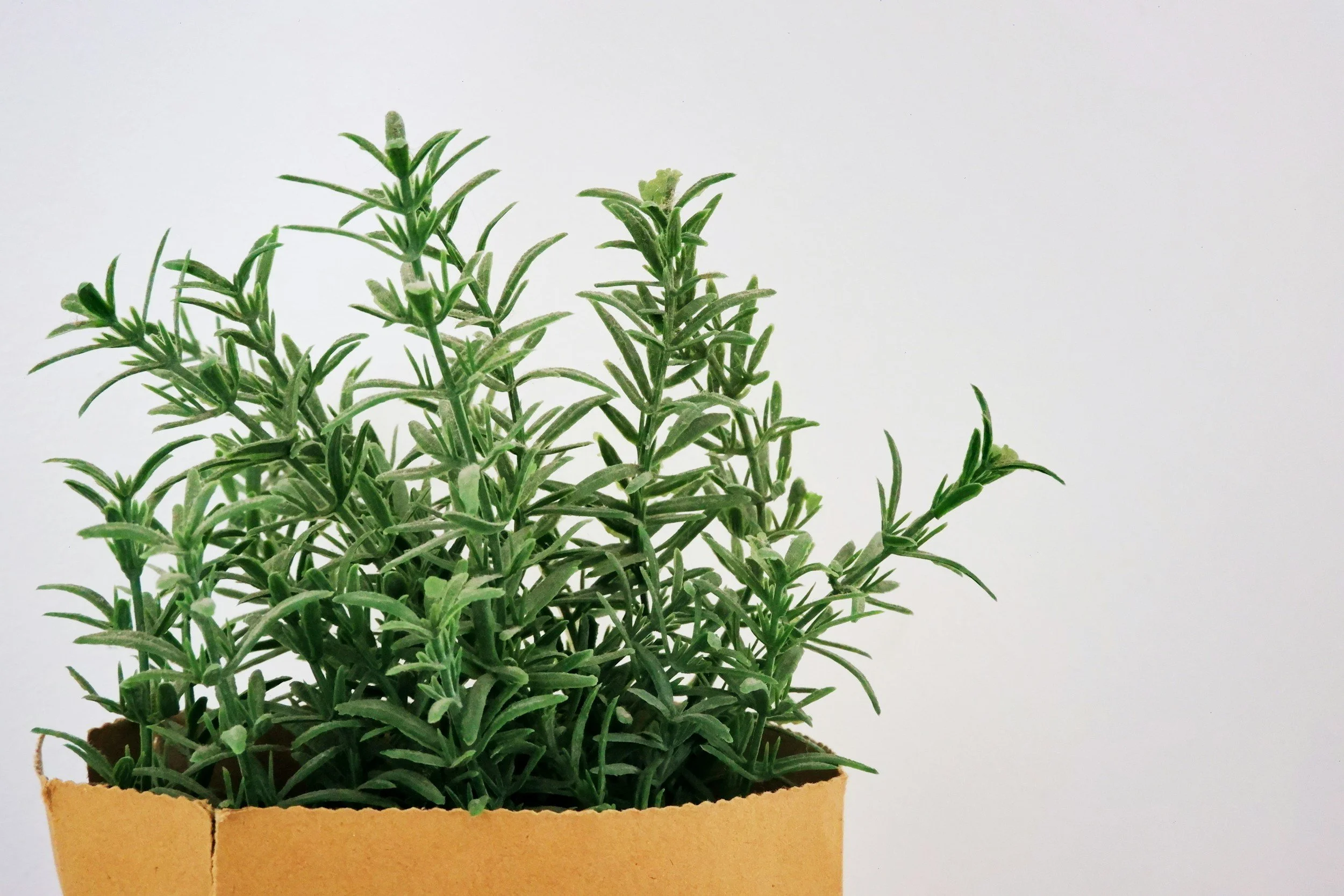
rosemary
A warming, aromatic herb traditionally used to:
support circulation and mental clarity
aid digestion, especially of rich foods
stimulate energy and focus
Rosemary is grounding and invigorating - wonderful in roasted vegetables, meats, and slow-cooked dishes.
-

thyme
A powerful culinary antiseptic, thyme has been traditionally used to:
support respiratory health and chest congestion
soothe coughs and infections
aid digestion
Thyme is particularly supportive during colder months and works beautifully in soups, stews, and broths.
Good for anti-histamine issues
-

nutmeg
Nutmeg is a warming, aromatic spice traditionally used to:
support digestion and relieve nausea, diarrhoea, and bloating
ease rheumatic discomfort
stimulate appetite and circulation
It has mild sedative and aphrodisiac qualities. Use sparingly - large amounts can be toxic and hallucinogenic.
-
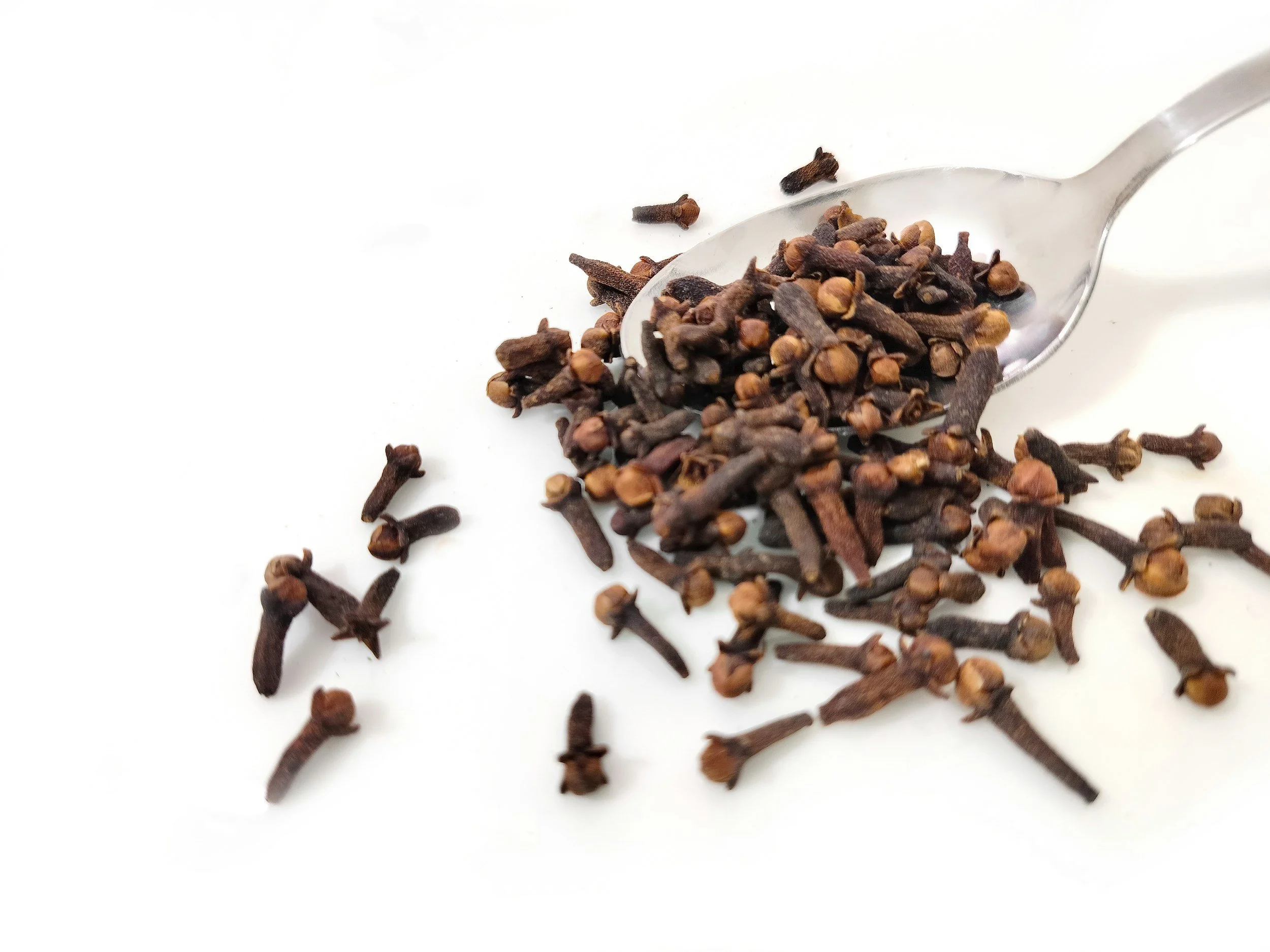
cloves
Cloves are strongly warming and antiseptic, traditionally used to:
support digestion and reduce gas
ease toothache and pain
fight microbial imbalance
A little goes a long way. Beautiful in warming winter dishes, stewed fruit, and spiced drinks.
-
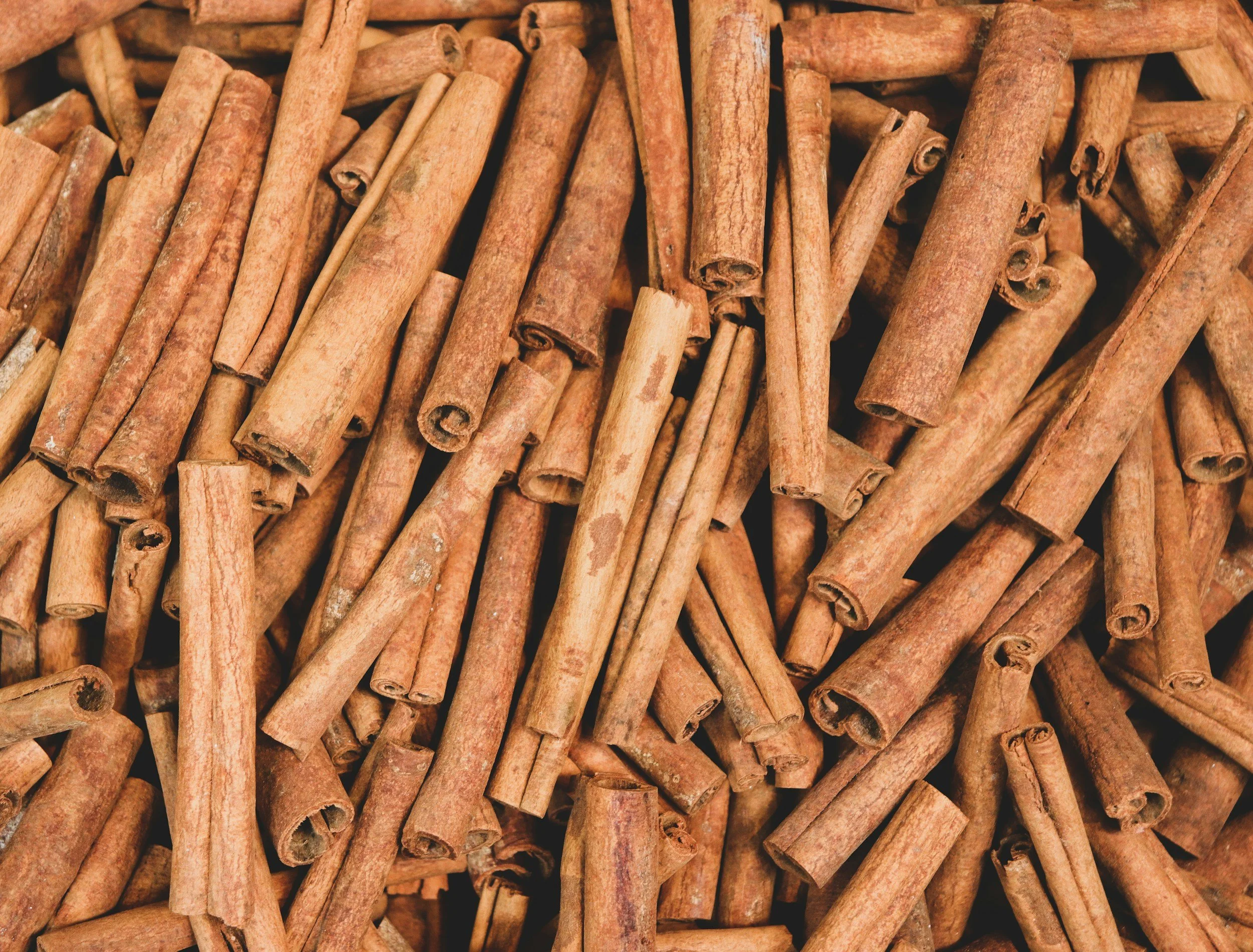
Cinnamon
A deeply warming spice known to:
support blood sugar balance
stimulate digestion
improve circulation and warmth
Cinnamon brings comfort and grounding, especially helpful in colder seasons or times of fatigue.
-

elderflower
Traditionally used to:
support the immune system
soothe fevers and inflammation
encourage gentle detoxification through the skin
Light, floral, and cooling - often used in teas or syrups.
-
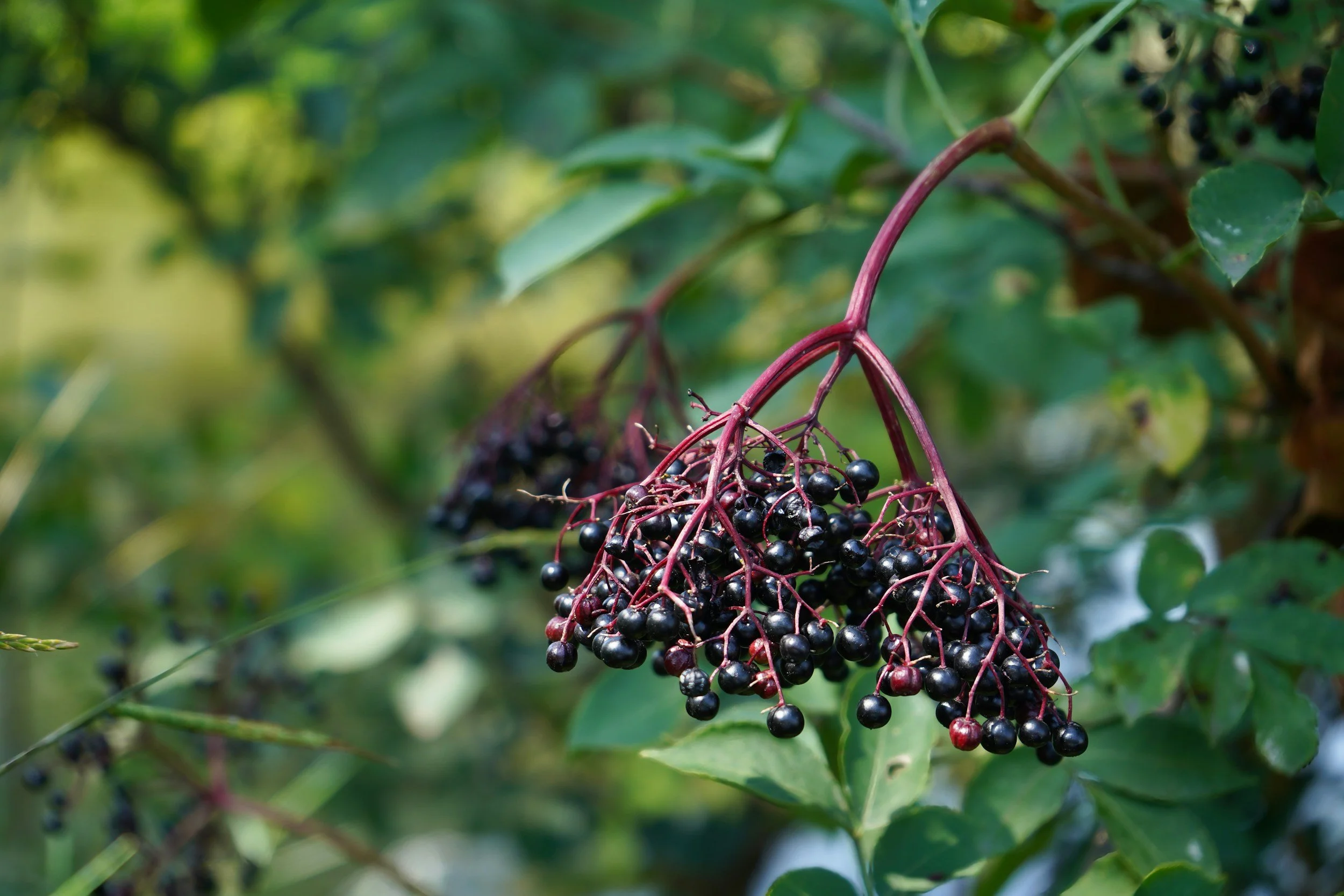
elderberries
A classic immune-supportive berry traditionally used to:
strengthen resistance to colds and flu
support recovery during illness
provide antioxidant protection
Usually cooked into syrups or compotes rather than eaten raw.
-

lavender
Lavender is calming and aromatic, traditionally used to:
support relaxation and sleep
soothe insect bites and minor burns
calm the nervous system
Used sparingly in teas, honey, or baked goods.
-
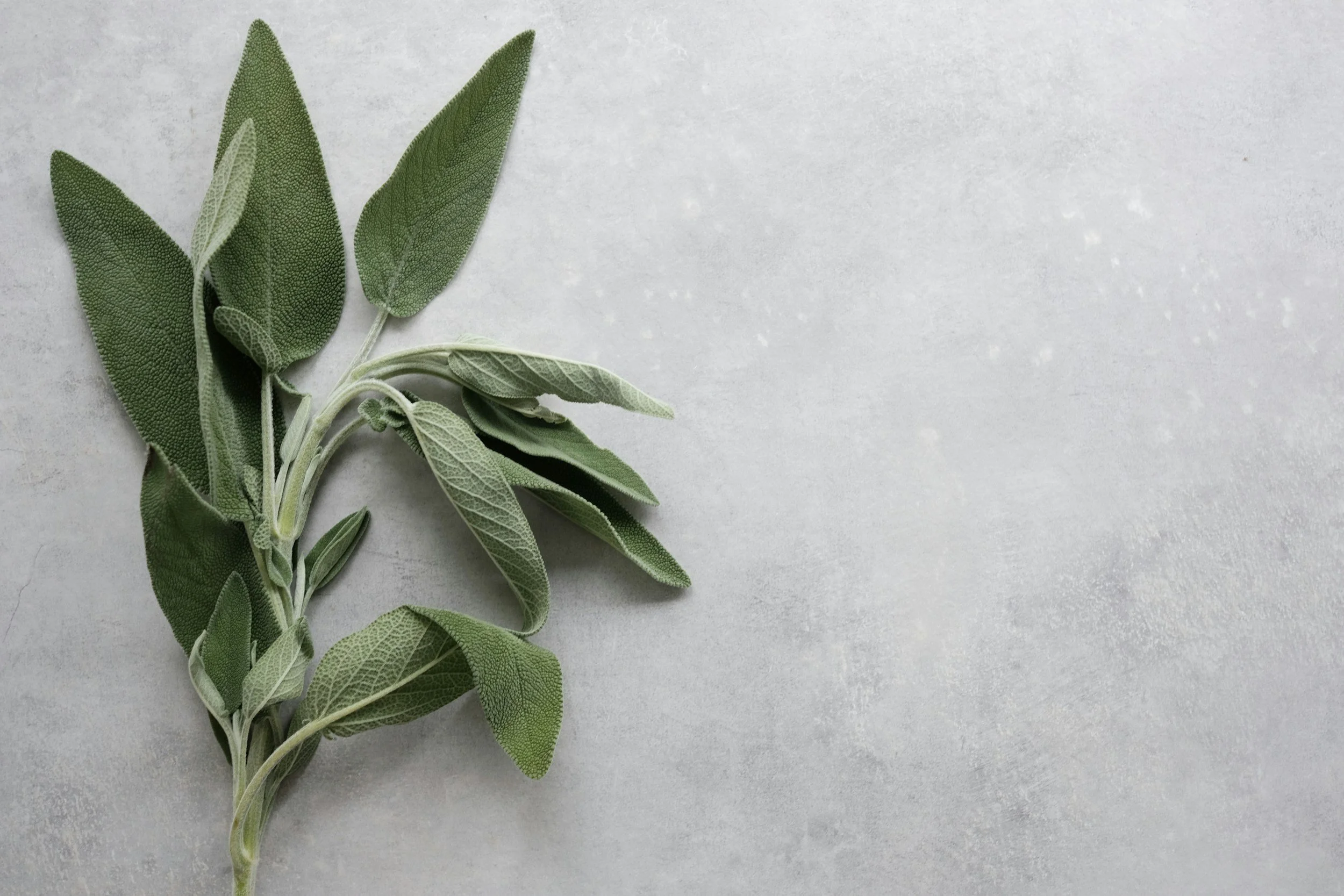
sage
A warming, slightly bitter, astringent herb traditionally used to:
soothe sore throats
support digestion
help regulate menstrual cycles
act as a gentle stimulating tonic
Sage is also known for its antioxidant and antiseptic qualities and has traditionally been used to support respiratory health, including asthma.
-
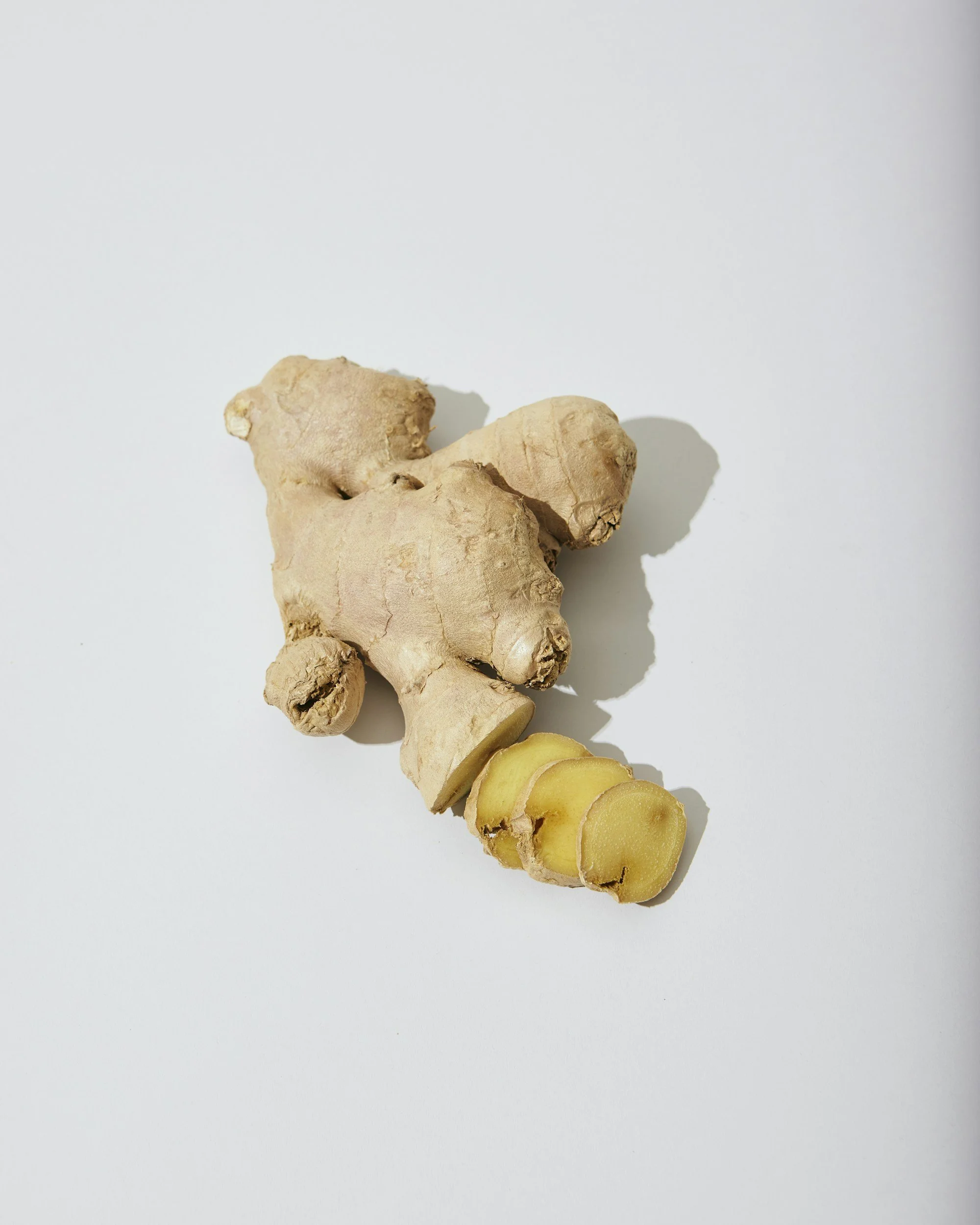
ginger
Traditionally used to:
warm digestion and circulation
reduce nausea and bloating
support immune resilience
calm the gut-brain axis
Fresh or dried, ginger is foundational in winter cooking, teas, broths, and stews. Good for anti-histamine issues
-
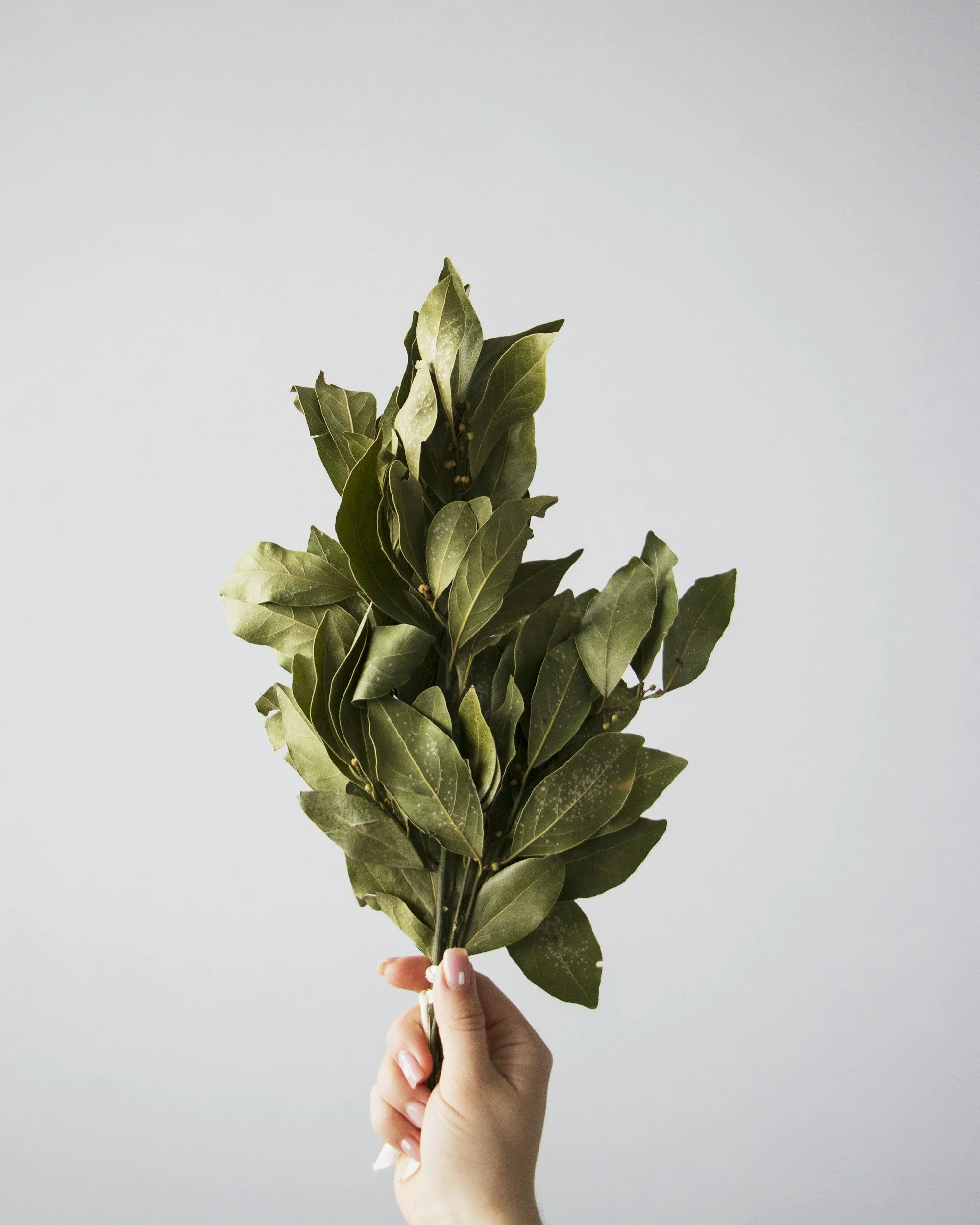
bay
Often overlooked but deeply supportive.
Traditionally used to:
support digestion of heavier meals
reduce gas and bloating
support blood sugar balance
Bay works quietly in soups, stocks, and slow cooking.
-

fennel
A classic digestive spice.
Traditionally used to:
ease bloating, gas, and cramping
support gentle detoxification
soothe the digestive tract
Especially helpful after meals or in heavier dishes.
-
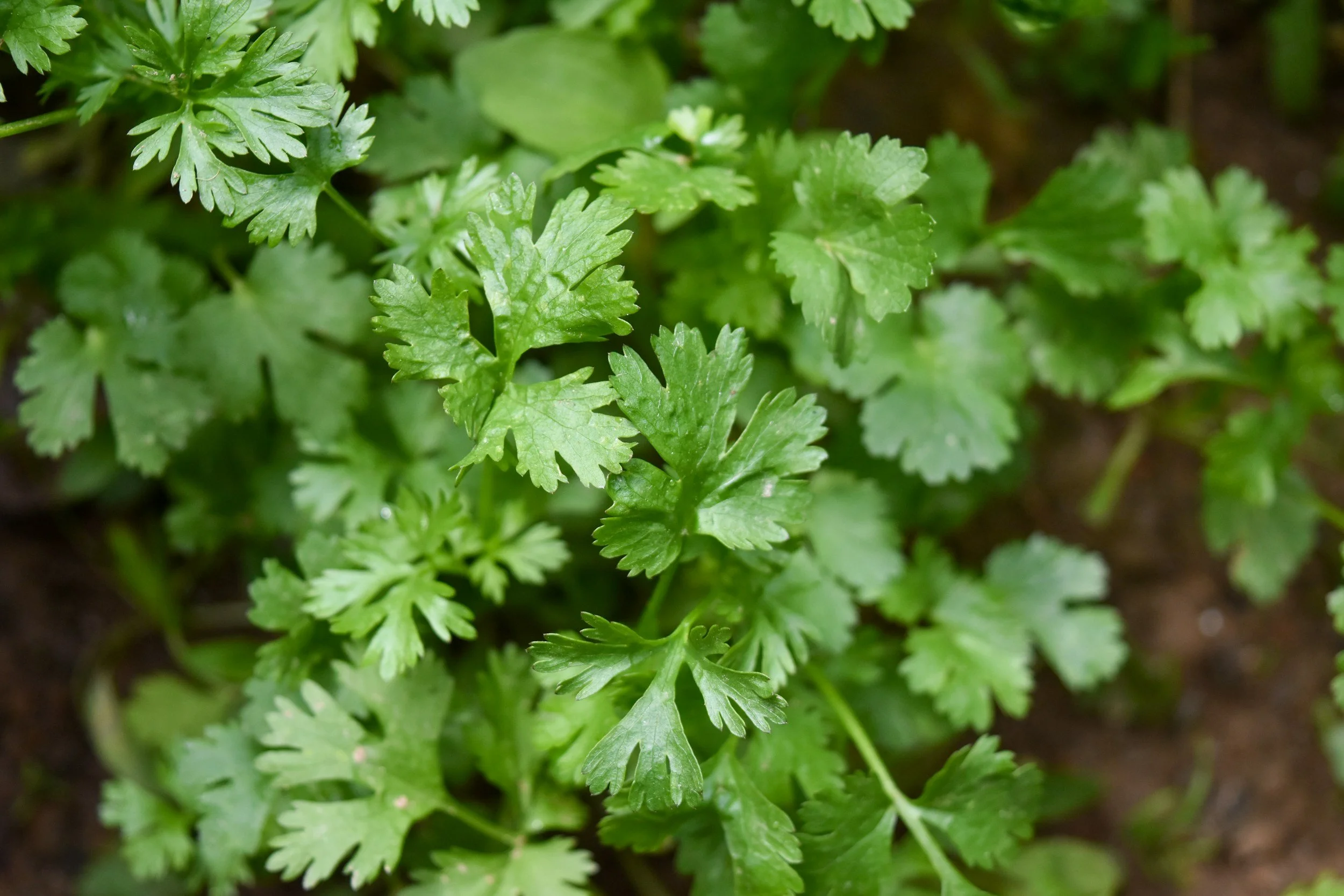
corriander
Cooling yet digestive - a beautiful balancer.
Traditionally used to:
support digestion without overheating
reduce inflammation
support gentle detox pathways
Seeds are warming and grounding; leaves (cilantro) are lighter and fresh.
-
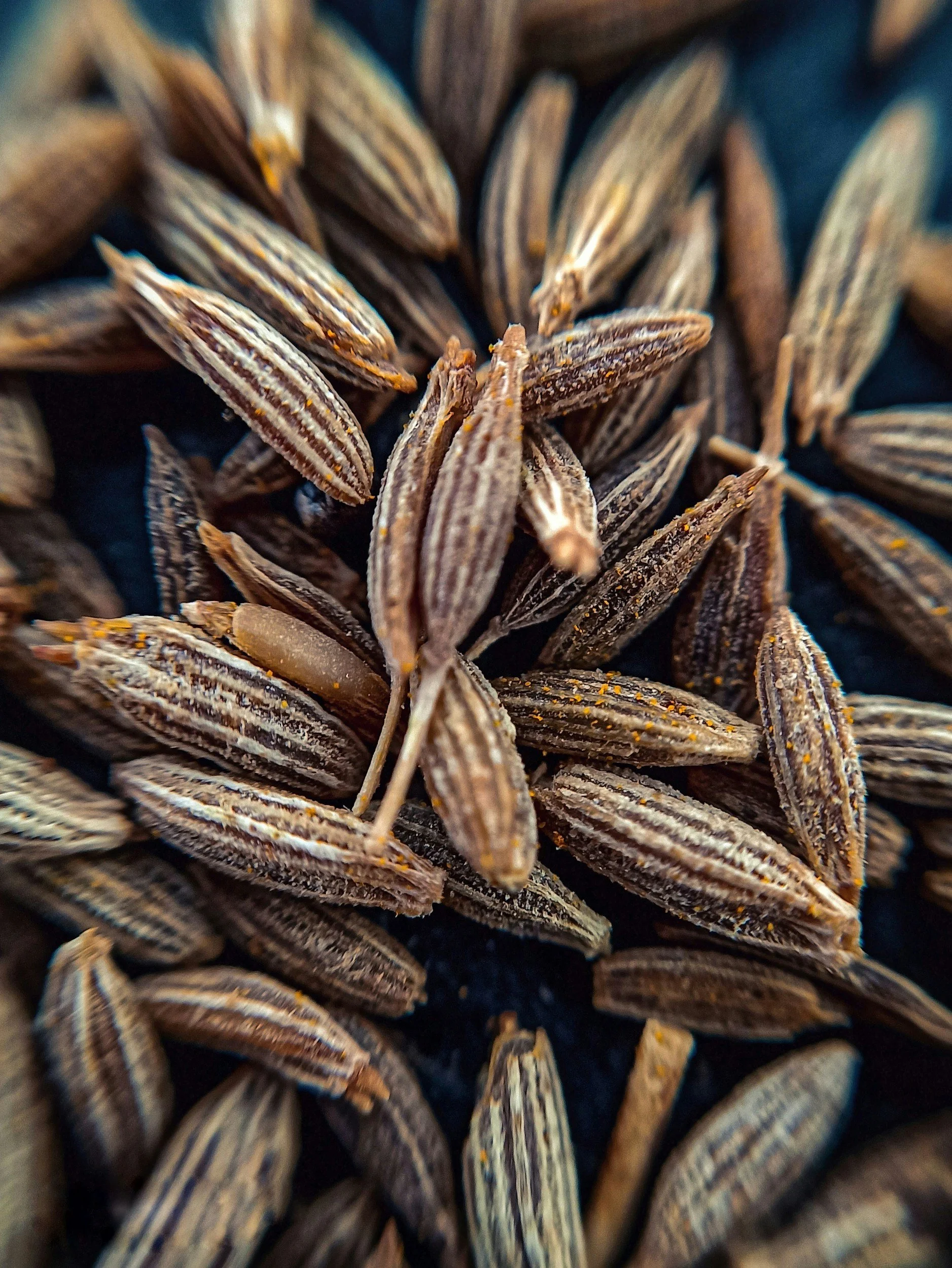
cumin
Earthy and grounding.
Traditionally used to:
strengthen digestion
reduce gas and heaviness
support metabolic warmth
Essential in many ancestral cuisines for good reason.
-

oregano
Strongly antimicrobial and aromatic.
Traditionally used to:
support immune health
aid digestion
support respiratory health
Best used in small amounts; powerful and pungent.
-
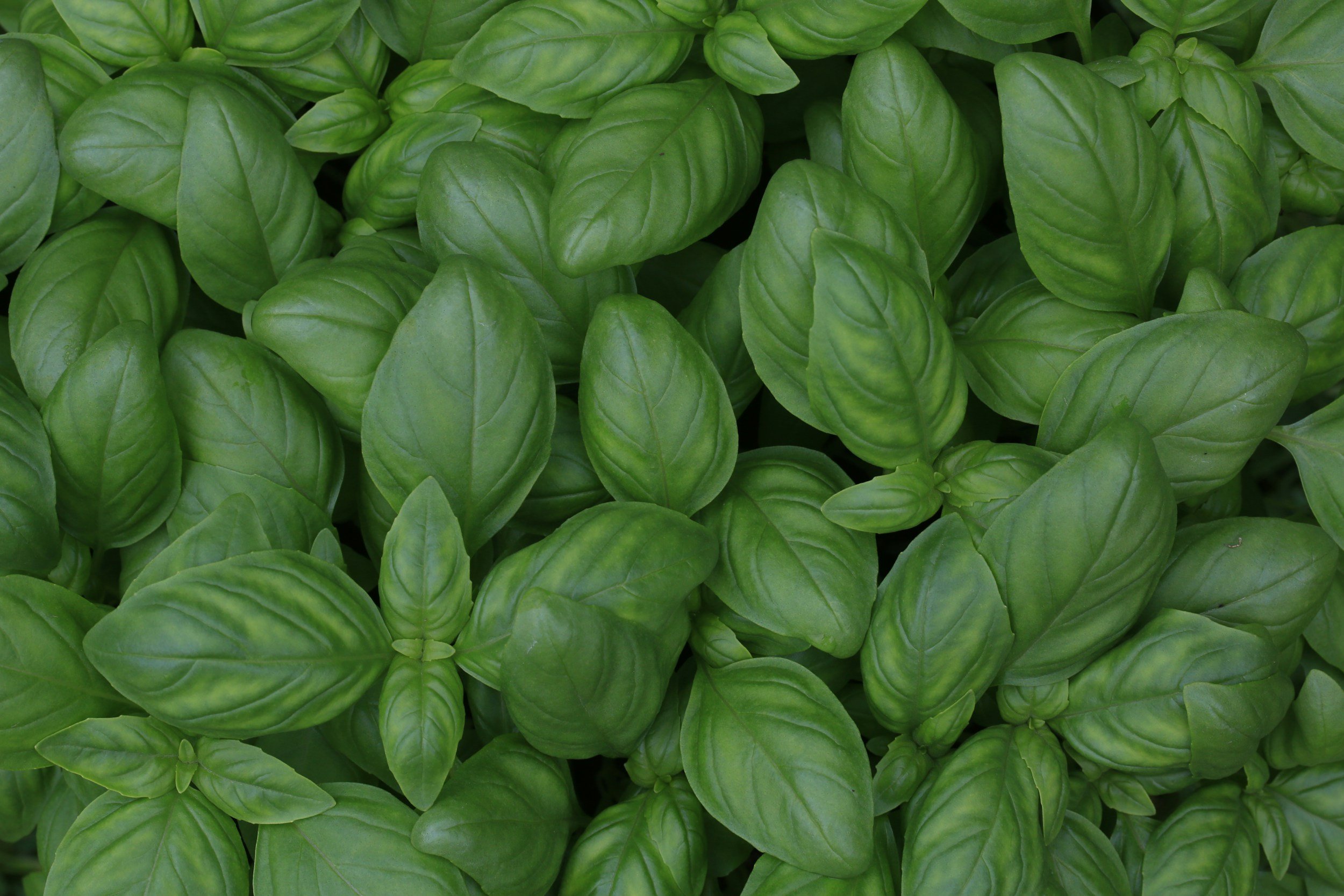
basil
Gentle and uplifting.
Traditionally used to:
support digestion
ease tension
gently lift mood
Sweet basil is soothing; holy basil (tulsi) is more medicinal but still relevant.
-
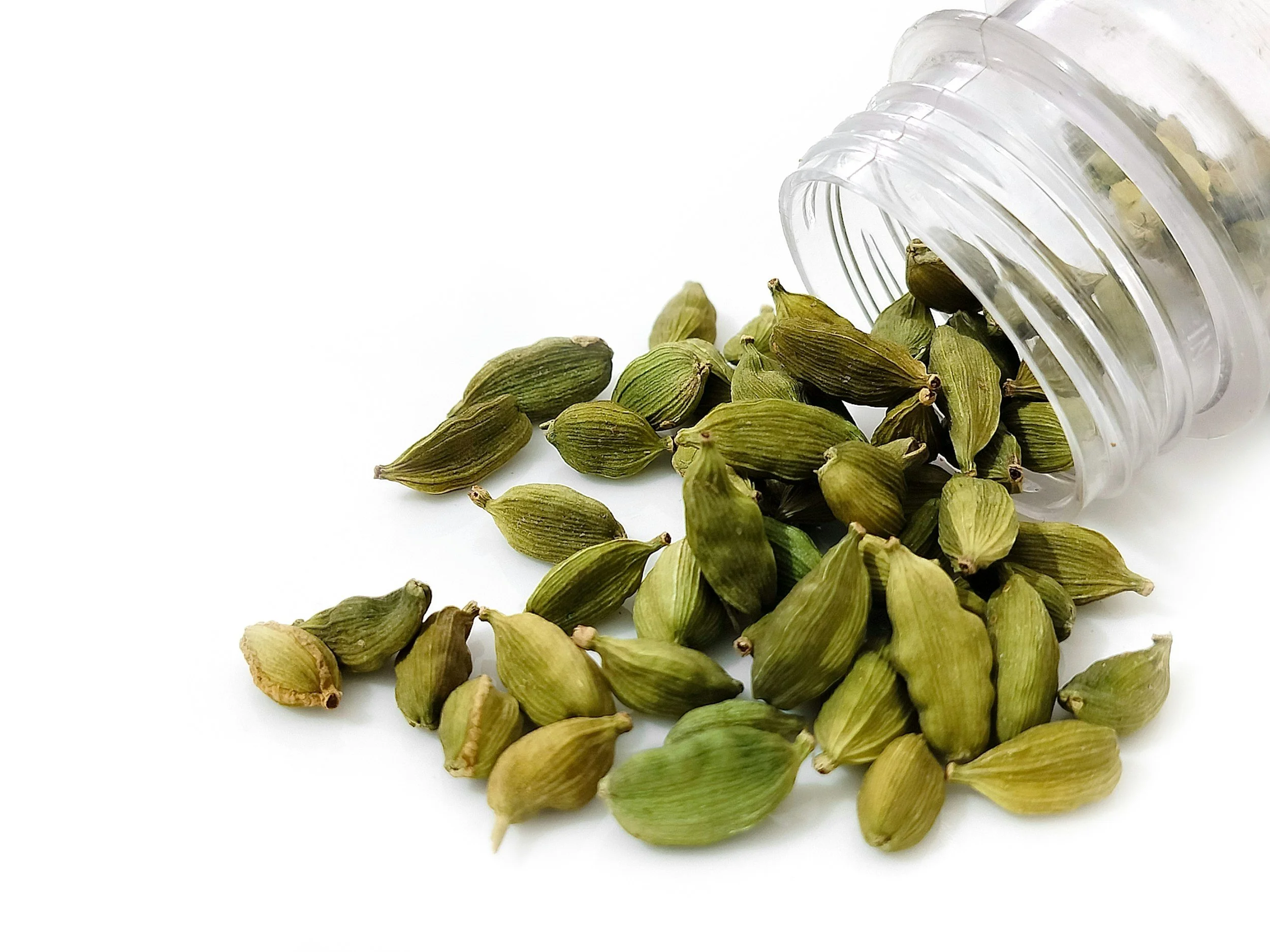
cardamon
Warming, aromatic, and calming.
Traditionally used to:
reduce bloating
support digestion of dairy and sweets
calm the nervous system
A beautiful bridge between food and nervous system support.
-
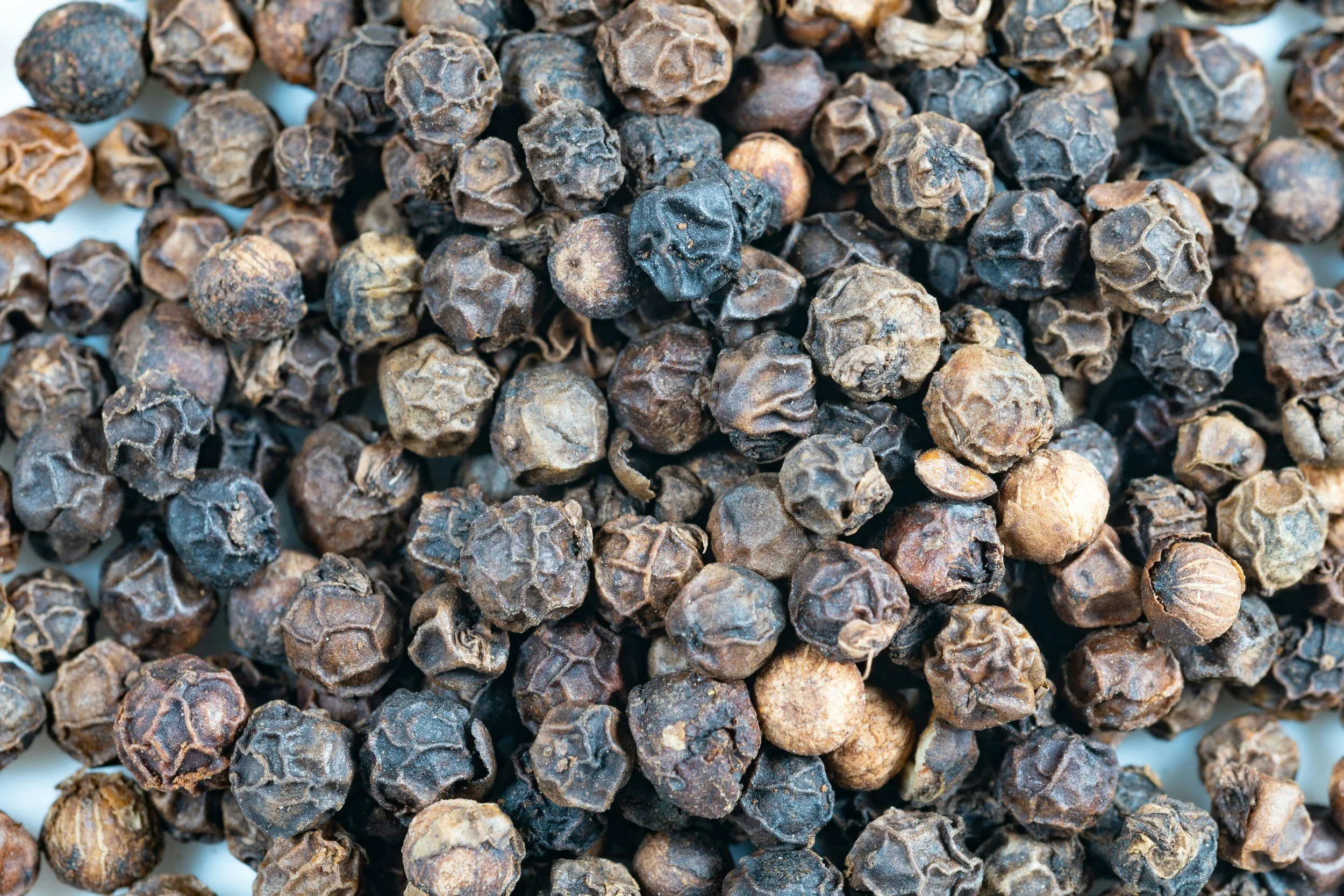
black pepper
A catalyst spice.
Traditionally used to:
stimulate digestion
enhance absorption of nutrients (especially turmeric)
warm circulation
Used intentionally, not aggressively.
-
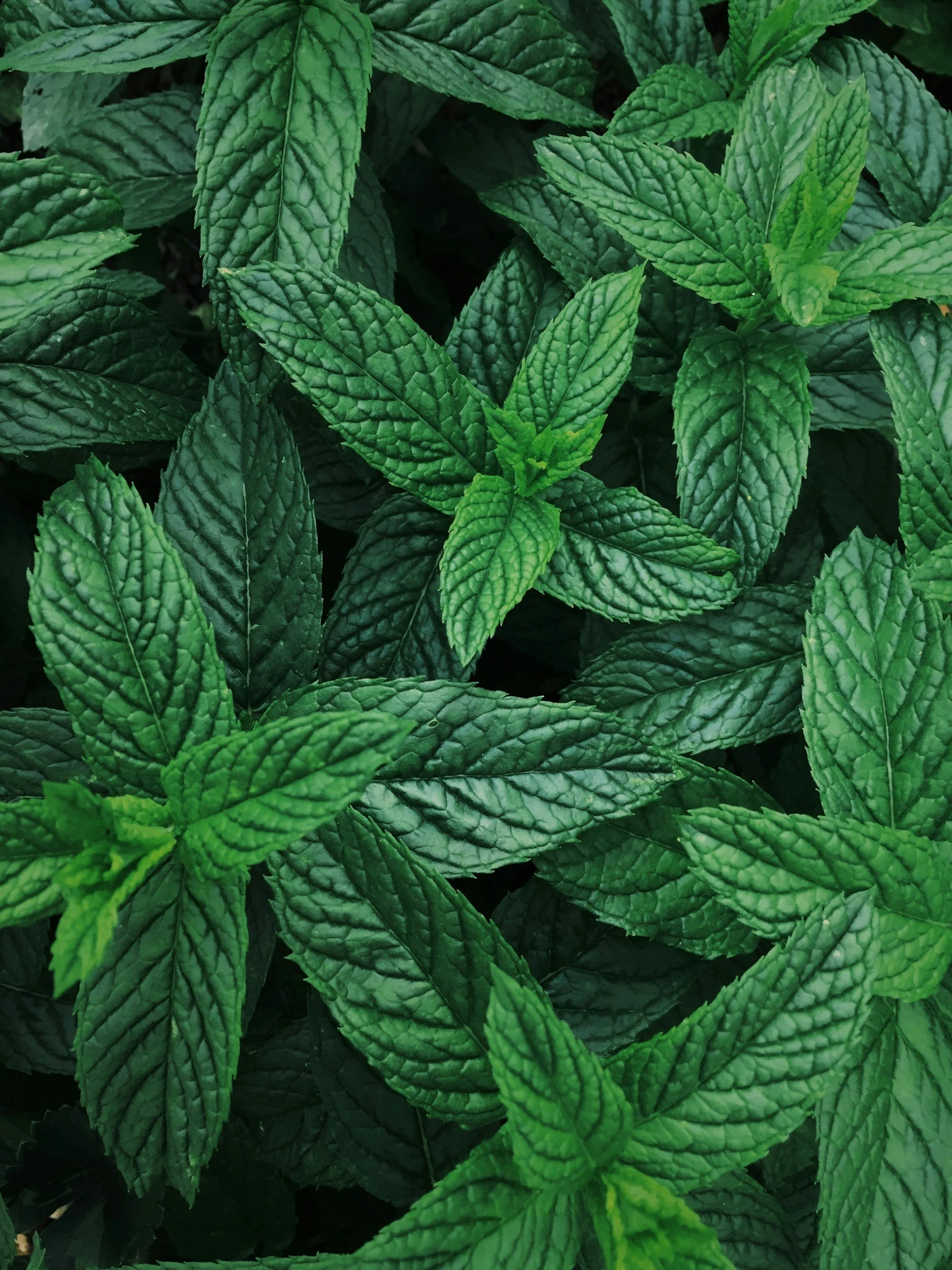
peppermint
Peppermint is cooling and soothing, traditionally used to:
relieve gas, bloating, flatulence, and colic
ease digestive discomfort
support gentle pain relief
Best used thoughtfully if digestion tends toward coldness.
Good for anti-histamine issues
-
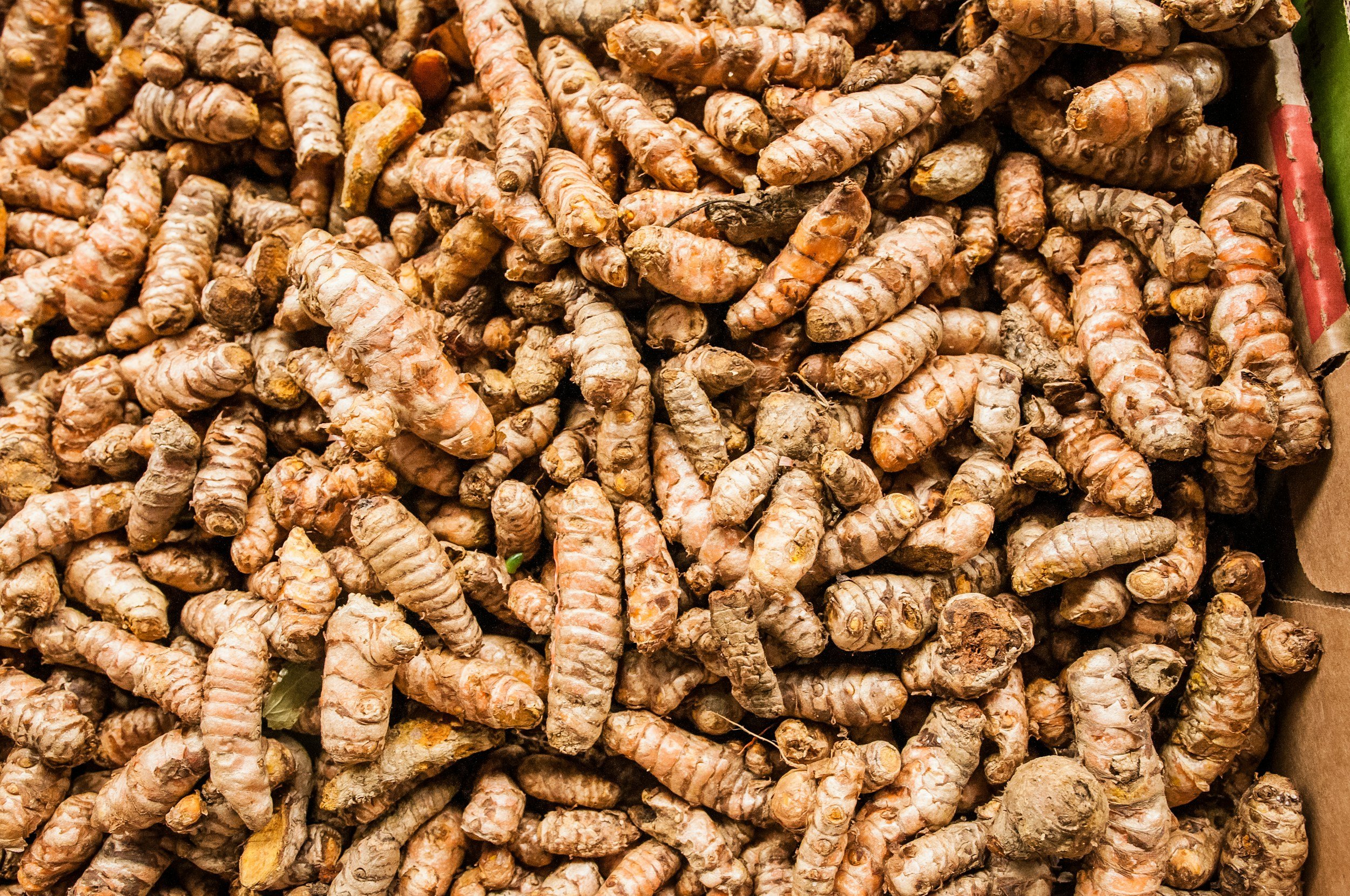
turmeric
A golden root with a long history in traditional medicine, turmeric is known for:
its anti-inflammatory properties
supporting digestion and liver function
warming and gently stimulating circulation
Best absorbed with fat and black pepper. A cornerstone spice for conscious, seasonal cooking.